
Blog
You are Not Powerless: Legal Remedies Under the Anti-VAWC act

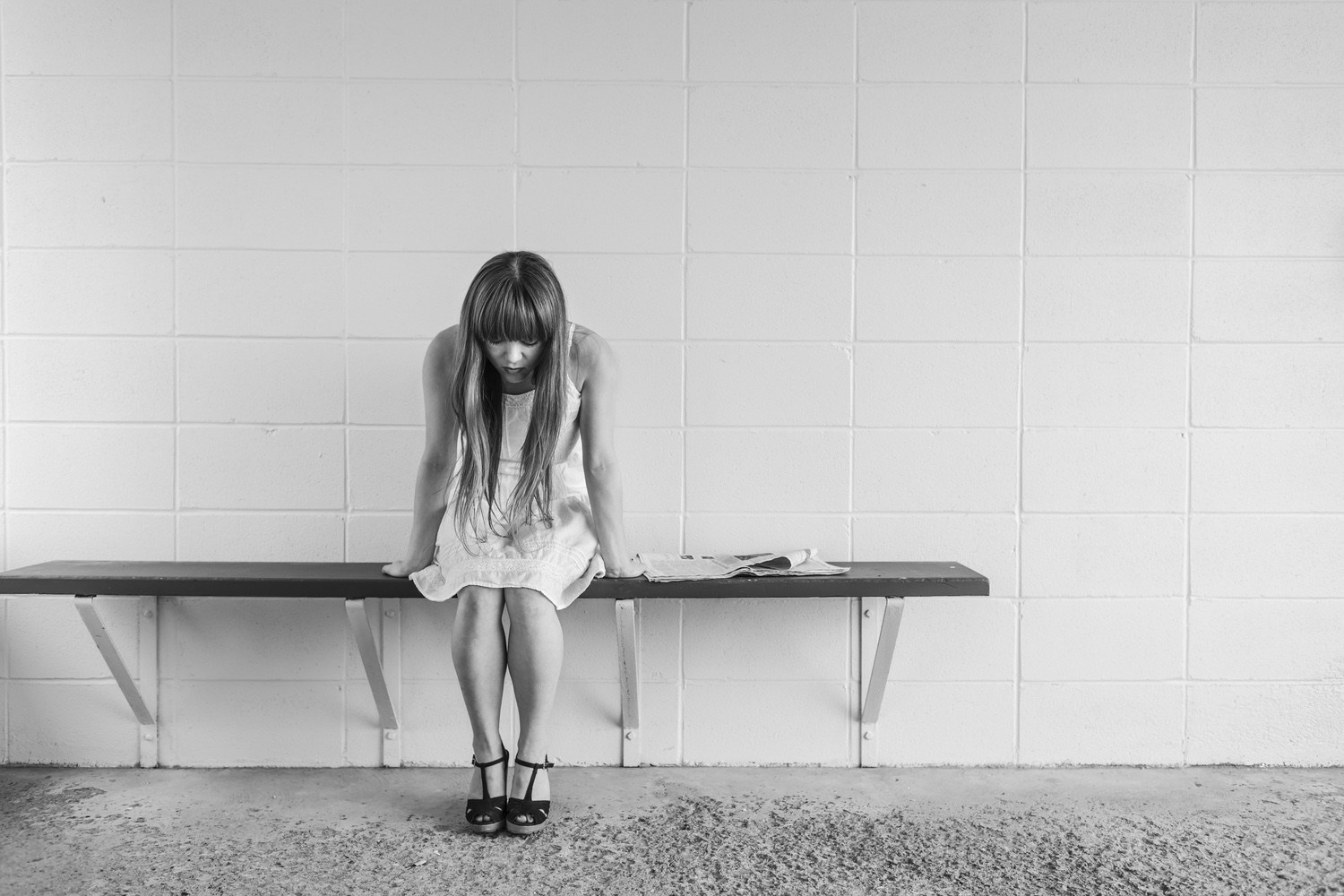
It is an unfortunate reality that women and children experience violence in a world where compassion and respect are the bare minimum requirements.
Violence within intimate or family relationships often leaves victims facing not only personal trauma but also legal uncertainty. In the Philippines, Republic Act No. 9262, or the Anti-Violence Against Women and Their Children Act of 2004 (Anti-VAWC Act), provides several legal remedies designed to protect victims and address the consequences of abuse.
These remedies allow courts to intervene to prevent further harm, support victim-survivors, and hold perpetrators accountable under the law.
This article outlines the key legal remedies available under RA 9262. For a discussion of the acts that qualify as violence under the law, readers may also refer to our article on what constitutes violence against women and their children under Philippine law.
Related Articles on the Anti-VAWC Act
Understanding the Anti-Violence Against Women and Their Children Act often requires looking at different aspects of the law. Readers who wish to explore these topics further may refer to the following related articles:
- Understanding the Anti-VAWC Act (RA 9262): An Overview of Legal Protections – An introduction to the law, its scope, and the protections it provides
- What Constitutes Violence Against Women and Their Children Under Philippine Law – A discussion of the acts and circumstances that may qualify as violence under RA 9262.
- Legal Remedies Under the Anti-VAWC Act – An overview of protection orders, damages, custody safeguards, and other legal remedies available to victim-survivors.
- Protection Orders Under the Anti-VAWC Act – A detailed explanation of Barangay Protection Orders, Temporary Protection Orders, and Permanent Protection Orders.
- VAWC Cases in Practice: Evidence and Legal Strategy Under RA 9262 – A discussion of how VAWC cases are handled in practice, including evidence preparation and early legal considerations.
- Life After a VAWC Case: Recovery, Support, and Community Interventions – An overview of support programs, rehabilitation services, and community interventions available after incidents of violence.
Battered Woman Syndrome as a Valid LEGAL Defense
The Anti-VAWC Act recognizes Battered Woman Syndrome (BWS) as a possible legal defense in criminal cases involving victim-survivors who have experienced prolonged abuse. Battered Woman Syndrome refers to a scientifically defined pattern of psychological and behavioral symptoms found in women living in battering relationships as a result of cumulative abuse.1 If the courts find that a victim-survivor is suffering from Battered Woman Syndrome, she does not incur any criminal and civil liability, regardless of whether or not any of the elements for the justifying circumstance of self-defense under the Revised Penal Code is present.2
Note that the law requires that the courts be assisted by expert psychiatrists or psychologists in determining the state of mind of the victim-survivor suffering from Battered Woman Syndrome at the time that the crime was committed.3

Custody of Children
The law also provides safeguards relating to custody of children when violence occurs within the household. The guilty parent loses his/her custody of their children. Moreover, the custody of minor children shall, at any instance, not be given to the perpetrator of violence against a woman who is suffering from Battered Woman Syndrome. 4
As a general rule, custody of children below seven years of age is granted to the mother unless compelling reasons justify a different arrangement. The law further provides that a woman who suffers from Battered Woman Syndrome is not disqualified from exercising parental custody.
In appropriate cases, courts may also order financial support for the children and the victim-survivor. A woman who is suffering from Battered Woman Syndrome shall likewise not be disqualified from having custody of her children. 5
Claim for Damages and Exemption from Payment of Docket Fees and Other Expenses
A victim-survivor of violence shall be entitled to actual, compensatory, moral and exemplary damages.6 Damages may include actual medical expenses for the treatment of injuries as a result of the violence experienced, mental anguish, sleepless nights, and emotional or psychological suffering.
Aside from the right to claim damages, a victim-survivor may also be exempted from payment of docket fees and other expenses when filing a case. These instances are: (1) if the victim-survivor is an indigent; or (2) there is an immediate necessity due to imminent danger or threat of danger to act on an application for a protection order. In any of these instances, the court shall accept the application without payment of the filing fees and other expenses.7
Hold Departure and Protection OrderS
A victim-survivor may also request the from the courts a Hold Departure Order, the process of which the courts shall expedite.8 This shall prevent the guilty party from leaving the Philippines.
A Protection Order, on the other hand, is an order issued to prevent further acts of violence against a woman or her child. Its purpose is to safeguard the victim-survivor from further harm, minimize any disruption in the victim-survivor’s daily life, and facilitate the opportunity and ability of the victim-survivor to independently regain control over her life.9 The different types of protection orders and their procedures are discussed in more detail in our article on how VAWC cases are handled in practice under RA 9262.
Understanding the Legal Options Available
The Anti-VAWC Act provides several mechanisms intended to protect individuals facing violence within intimate relationships. These remedies may operate alongside other legal proceedings, including criminal prosecution, custody disputes, and family law matters.
Because each situation presents unique circumstances, determining the appropriate legal remedy often requires careful assessment of the facts and available evidence.
Individuals seeking guidance on legal remedies under RA 9262 or related family law matters may contact AJA Law to discuss their situation and available legal options.
If you require legal guidance on your matter or situation
Work WITH OUR TEAM

Prepared by Cheza Biliran.
FOOTNOTES:
1. Section 3(c) of Republic Act No. 9262.
2. Section 32, Rule 5 of the Implementing Rules and Regulations of Republic Act No. 9262.
3. Section 32, Rule 5 of the Implementing Rules and Regulations of Republic Act No. 9262.
4. Section 34, Rule 5 of the Implementing Rules and Regulations of Republic Act No. 9262.
5. Section 34, Rule 5 of the Implementing Rules and Regulations of Republic Act No. 9262.
6. Section 35, Rule 5 of the Implementing Rules and Regulations of Republic Act No. 9262.
7. Section 37, Rule 5 of the Implementing Rules and Regulations of Republic Act No. 9262.
8. Section 36, Rule 5 of the Implementing Rules and Regulations of Republic Act No. 9262.
9. Section 8 of Republic Act No. 9262.