
Blog
What Constitutes Violence Against Women and Their Children Under Philippine Law


Violence against women and their children is addressed in Philippine law through Republic Act No. 9262, otherwise known as the Anti-Violence Against Women and Their Children Act of 2004 (Anti-VAWC Act). The law recognizes that abuse within intimate and family relationships may take many forms, including physical harm, emotional manipulation, sexual coercion, and financial control.
Understanding what conduct qualifies as violence under RA 9262 is often the first step in determining whether legal protection may be available. The law defines several categories of abusive acts and identifies the relationships in which these protections apply.
This article focuses on the acts that constitute violence under the Anti-VAWC Act and the scope of relationships covered by the law. Individuals seeking information on legal remedies available under RA 9262, including protection orders and court proceedings, may also refer to our discussion on legal remedies under the Anti-VAWC Act. A separate advisory discusses how VAWC cases are handled in practice, including evidence preparation and early legal strategy.
Understanding these distinctions helps individuals assess whether a particular situation may fall within the protections provided by the Anti-VAWC Act.
Related Articles on the Anti-VAWC Act
Understanding the Anti-Violence Against Women and Their Children Act often requires looking at different aspects of the law. Readers who wish to explore these topics further may refer to the following related articles:
- Understanding the Anti-VAWC Act (RA 9262): An Overview of Legal Protections – An introduction to the law, its scope, and the protections it provides
- What Constitutes Violence Against Women and Their Children Under Philippine Law – A discussion of the acts and circumstances that may qualify as violence under RA 9262.
- Legal Remedies Under the Anti-VAWC Act – An overview of protection orders, damages, custody safeguards, and other legal remedies available to victim-survivors.
- Protection Orders Under the Anti-VAWC Act – A detailed explanation of Barangay Protection Orders, Temporary Protection Orders, and Permanent Protection Orders.
- VAWC Cases in Practice: Evidence and Legal Strategy Under RA 9262 – A discussion of how VAWC cases are handled in practice, including evidence preparation and early legal considerations.
- Life After a VAWC Case: Recovery, Support, and Community Interventions – An overview of support programs, rehabilitation services, and community interventions available after incidents of violence.
Understanding the Scope of RA 9262: VAWC IS A PUBLIC CRIME
Under Rule III of the IRR, VAWC is considered a public offense. Anyone with personal knowledge of the circumstances involving the commission of the crime can report it to authorities and file a complaint. The government is then obligated to investigate and prosecute the perpetrator.
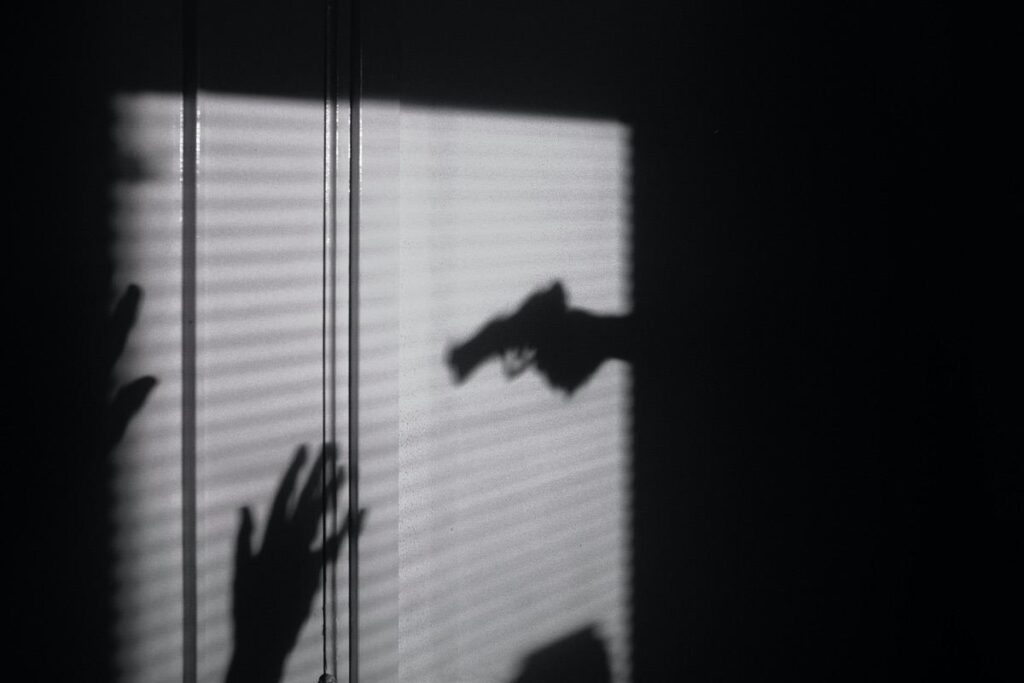
ACTS CONSIDERED AS Violence Against Women and Their Children Under Philippine Law
The IRR of RA 9262 provides a comprehensive list of acts considered as VAWC. These acts include:
- Causing physical harm to the woman or her child;
- Threatening to cause the woman or her child physical harm;
- Attempting to cause the woman or her child physical harm;
- Placing the woman or her child in fear of imminent physical harm;
- Attempting to compel or compelling the woman or her child to engage in conduct which the woman or her child has the right to desist from or to desist from conduct which the woman or her child has the right to engage in, or attempting to restrict or restricting the woman’s or her child’s freedom of movement or conduct by force or threat of force, physical or other harm or threat of physical or other harm, or intimidation directed against the woman or her child. This shall include, but not limited to, the following acts committed with the purpose or effect of controlling or restricting the woman’s or her child’s movement or conduct:
- a. Threatening to deprive or actually depriving the woman or her child of custody or access to her/his family;
- b. Depriving or threatening to deprive the woman or her children of financial support legally due her or her family, or deliberately providing the woman’s children insufficient financial support;
- c. Depriving or threatening to deprive the woman or her child of a legal right;
- d. Preventing the woman in engaging in any legitimate profession, occupation, business or activity, or controlling the victim’s own money or properties, or solely controlling the conjugal or common money, or properties;
- Inflicting or threatening to inflict physical harm on oneself for the purpose of controlling her actions or decisions;
- Causing or attempting to cause the woman or her child to engage in any sexual activity which does not constitute rape, by force or threat of force, physical harm, or through intimidation directed against the woman or her child or her/his immediate family;
- Engaging in purposeful, knowing, or reckless conduct, personally or through another, that alarms or causes substantial emotional or psychological distress to the woman or her child. This shall include, but not be limited to the following acts:
- a. Stalking or following the woman or her child in public or private places;
- b. Peering in the window or lingering outside the residence of the woman or her child;
- c. Entering or remaining in the dwelling or on the property of the woman or her child against her/his will;
- d. Destroying the property and personal belongings or inflicting harm to animals or pets of the woman or her child;
- e. Engaging in any form of harassment or violence; and
- Causing mental or emotional anguish, public ridicule or humiliation to the woman or her child, including, but not limited to, repeated verbal and emotional abuse, and denial of financial support or custody of minor children or denial of access to the woman’s child/children.

PENALTIES
If found guilty of the acts mentioned above, the offender may face imprisonment ranging from one month and one day up to twenty years. Apart from imprisonment, they will also be required to pay a fine ranging from One hundred thousand pesos (P100,000.00) to Three hundred thousand pesos (P300, 000.00). Additionally, they will have to undergo mandatory psychological counseling or psychiatric treatment and provide proof of compliance to the court.
PRESCRIPTION PERIOD
Criminal complaints for acts falling under Sections 7(a) to 7(f) may be filed within twenty (20) years from the occurrence or commission. While, punishable acts falling under Sections 7(g) to 7(i) shall prescribe within ten (10) years. However, it is important to note that timing can be a crucial factor in these cases, and taking prompt legal action may help ensure a stronger case.

SEEKING LEGAL GUIDANCE
Understanding what constitutes violence under the Anti-VAWC Act is often the first step in determining the appropriate legal response. Individuals facing abuse may also benefit from understanding the legal remedies available under RA 9262, including protection orders and related court proceedings.
For a more detailed discussion of available protection orders and other remedies, readers may refer to our article on legal remedies under the Anti-VAWC Act. We also discuss how courts evaluate evidence and early case preparation in our advisory on how VAWC cases are handled in practice.
Each situation involving violence against women or their children presents unique legal and personal considerations. Early legal guidance can help individuals understand their options, preserve relevant evidence, and assess the appropriate legal steps under the law.
Individuals seeking guidance on matters involving the Anti-VAWC Act, protection orders, or related family law issues may contact AJA Law to discuss their circumstances and available legal options.
If you require legal guidance on your matter or situation
Work WITH OUR TEAM

Prepared by Aira Nikka Montemayor.