
Blog
Customs Delays Are Often Data and Compliance Issues, Not Logistics Problems

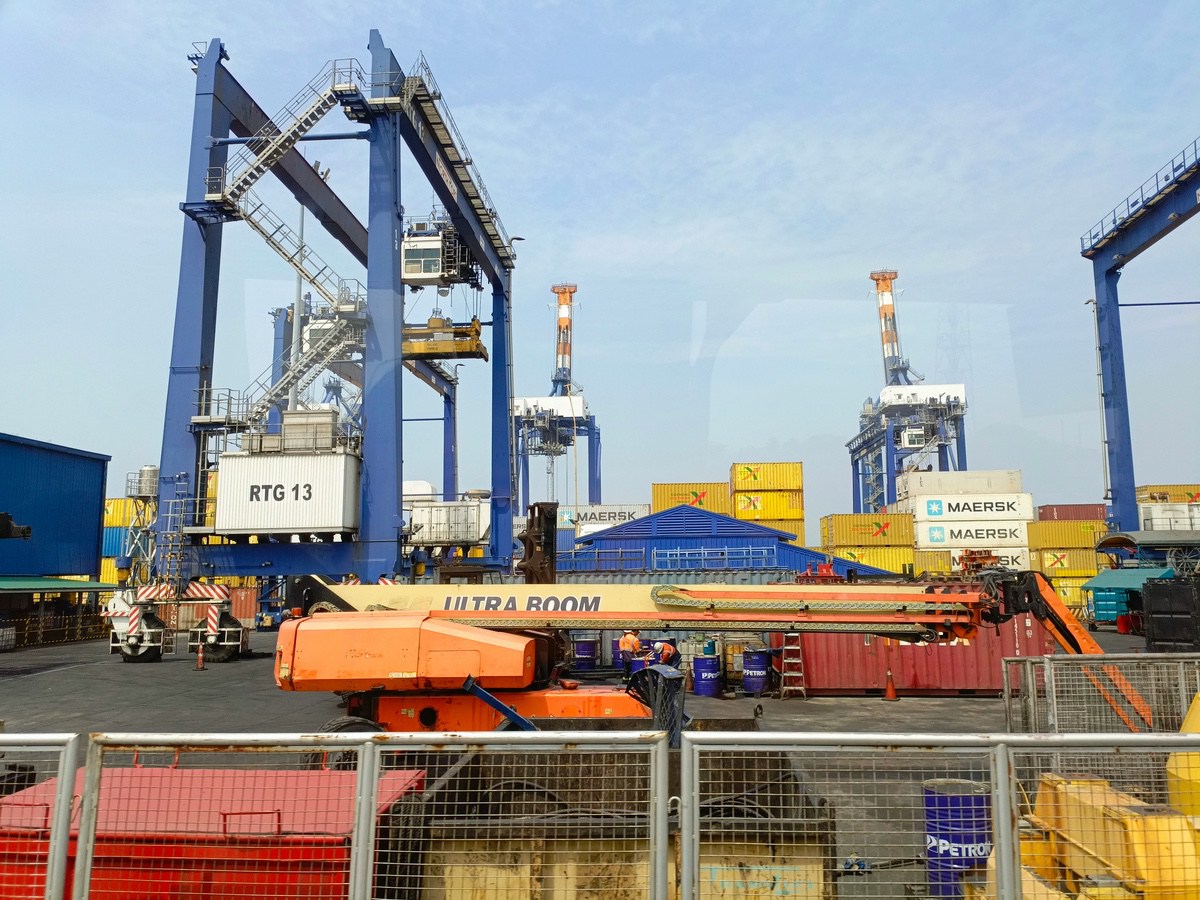
When shipments are delayed at the border, companies often assume the problem lies in transportation or port congestion. In practice, many customs delays begin long before goods arrive at the port.
Documentation gaps, fragmented internal processes, and inconsistent data across departments frequently create the conditions that trigger customs scrutiny. These issues may appear operational, but they are often structural compliance risks.
For companies involved in cross-border trade, customs compliance is not simply about submitting forms to the Bureau of Customs (BOC). It increasingly reflects compliance as a business design decision, requiring coordination across finance, procurement, logistics, and legal teams.
Under the Philippines’ Customs Modernization and Tariff Act (CMTA), the Bureau of Customs has broad authority to review import documentation, examine shipments, and conduct post-clearance audits. As a result, inconsistencies in documentation or regulatory compliance can lead not only to delays but also to administrative penalties and increased scrutiny in future transactions.
Understanding where these issues typically arise can help companies reduce disruption and strengthen their compliance frameworks.
Where Customs Delays Often Begin
In practice, customs delays frequently stem from incomplete regulatory preparation rather than problems during shipment.
Companies may encounter difficulties when import-related registrations or regulatory requirements with relevant government agencies have not been completed on time. These gaps can directly affect the issuance of permits or licenses required for customs clearance.
Even when shipments are ready for entry, missing documentation or incomplete regulatory filings can delay processing. These issues often arise when internal monitoring systems are weak or when regulatory compliance is treated as an administrative task rather than a structured process.

Documentation and Data Consistency Are Critical
Customs officers reviewing shipments typically focus on inconsistencies in key shipment details. These may include discrepancies involving product descriptions, importer or consignee information, or supporting documentation.
Even minor inconsistencies can trigger additional inspection or verification procedures. When documentation is handled across multiple departments without a coordinated system, inconsistencies become more likely, particularly in environments where companies operate across fragmented compliance systems.
Fragmented document management remains one of the most common structural risks in customs compliance. When trade documentation is handled informally or stored across different teams without centralized oversight, companies may struggle to respond quickly to regulatory inquiries.
Internal Practices That Create Customs Compliance Risk
Many customs issues originate from internal organizational practices rather than external factors.
Common risk factors include:
- Decentralized handling of trade documentation
- Lack of a designated compliance officer or responsible unit
- Informal document management systems
- Limited coordination between finance, procurement, and logistics teams
- Delays in preparing documentation required for import permits and regulatory clearances
Without a clear governance structure, companies may find it difficult to identify gaps in documentation before shipments are processed.
Early Warning Signs of Customs Compliance Exposure
In many cases, warning signs appear before formal delays occur.
For example, companies may begin receiving repeated clarification requests from customs assessors regarding shipment documentation. Delays in securing permits or licenses from relevant agencies can also indicate underlying regulatory issues that require attention.
These signals often suggest that internal records, shipment data, or regulatory documentation may not be fully aligned.
When these early indicators are ignored, the risk of customs delays and additional regulatory scrutiny increases.
Customs Compliance Does Not End at Shipment Release
Many companies assume that once goods are released from the port, the compliance process is complete. In reality, customs authorities retain the power to review import transactions even after shipment clearance.
Under the Customs Modernization and Tariff Act, the Bureau of Customs may conduct post-clearance audits to verify the accuracy of declarations and compliance with import regulations. Companies that fail to maintain proper records or supporting documentation may face administrative penalties or additional scrutiny in subsequent transactions.
Record-keeping obligations therefore remain an important component of customs compliance.
What Well-Structured Companies Do Differently
Companies that consistently avoid customs delays typically follow structured compliance practices.
These organizations often implement several governance measures, including:
- Designating a compliance officer responsible for customs documentation and regulatory coordination
- Establishing internal review procedures before shipments are processed
- Maintaining centralized repositories for trade documentation
- Ensuring alignment between finance records, logistics documentation, and customs declarations
- Preparing regulatory requirements and permits in advance of shipment timelines
These practices help ensure that documentation is consistent, accessible, and defensible during regulatory review.
The Role of Technology and Data Alignment
As government agencies adopt digital regulatory systems, inconsistencies between internal company records and regulatory submissions become easier for authorities to identify.
Many companies now rely on enterprise systems, procurement platforms, and logistics software to manage shipment data. However, when these systems are not aligned with customs reporting requirements, discrepancies may arise between internal records and regulatory declarations.
Ensuring that classification decisions, product descriptions, and shipment values are consistently recorded across internal systems can significantly reduce customs risk.
Technology therefore plays an important role in strengthening documentation governance and improving coordination across departments involved in cross-border trade.
Strengthening Customs Compliance Through Early Legal Review
Customs compliance rarely exists in isolation. Import documentation, licensing requirements, shipment declarations, and regulatory registrations often intersect with other ongoing corporate compliance requirements, including corporate reporting obligations and regulatory filings that support cross-border transactions.
Customs brokers play a critical role in managing shipment clearance and coordinating with the Bureau of Customs. Legal review focuses on the regulatory framework and documentation systems that support these transactions and ensure consistency across filings.
At AJA Law, we work with businesses engaged in cross-border trade to review customs compliance structures, documentation workflows, and internal oversight processes. Identifying structural gaps early helps companies reduce the risk of shipment delays, audits, or enforcement issues.
As supply chains become increasingly complex and data-driven, periodic review of customs compliance frameworks can improve operational predictability and strengthen regulatory readiness.
Businesses seeking guidance on customs compliance structures and cross-border regulatory risks may contact AJA Law to discuss their operations and compliance framework.
If you require legal guidance on your matter or situation
Work WITH OUR TEAM